

Septic System Overview
- Location of tank and bed where known or visible
- Condition of lids, risers and surface area
- Signs of leakage, backups or soggy ground near the system
- General age indicators based on materials and surroundings
- Observations on grading, trees and traffic that may affect the system
(This is a visual, non-invasive review—no digging or pumping.)
Wells, Pumps & Pressure Systems
- Visible well head condition and protection
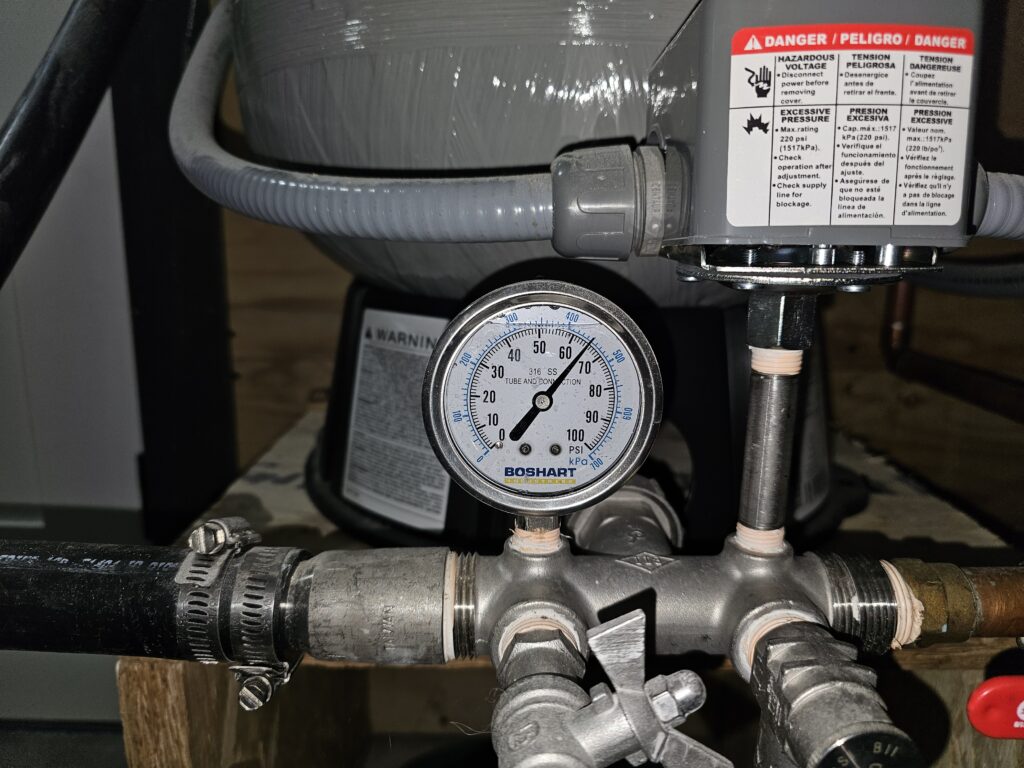
- Pressure tank behaviour and basic pressure switch operation
- Visible piping, valves and fittings in the mechanical space
- Observations on pump cycling during normal water use
Lake-Water & Seasonal Systems
- Intake line routing and support where accessible
- Heat-trace and insulation around exposed piping
- Filters, softeners, UV units and treatment equipment where installed
- Freeze-risk and leak-risk areas under the cottage or in crawlspaces
Important Limitations
- I do not excavate components or open buried tanks
- I do not perform flow tests or lab water sampling
- For full certainty, I may recommend a septic contractor or pumping service for further evaluation
- A lab water test through the appropriate agency or lab
Why This Review Helps
- Septic replacement can be one of the largest rural expenses
- Weak water systems can make a property frustrating to use or rent
- Early warning signs are easier and cheaper to address than full failures
Considering a Rural Property?
If you’re buying rural, this review helps you avoid surprise repair costs and understand the true condition of the property’s service systems.